By Brianna DeLeon
I’m a sophomore at UNC-Chapel Hill from Charlotte and have been interning with the Durham Sports Commission since August. Before entering the sports industry professionally, I experienced it first as an athlete. I wrestled throughout high school, becoming a three-time state champion and competing nationally. I considered wrestling in college, but opportunities for women at the collegiate level were limited, and while the sport has grown significantly, those opportunities are still developing today. Since coming to UNC, I have played women’s rugby and founded the UNC Women’s Wrestling Club, where I now serve as co-president. More recently, I’ve found a new challenge through triathlons and Ironman training.
Needless to say, I love sports. But the McLendon Foundation Experience reminded me that the sports industry extends far beyond what happens on the field, mat or course.
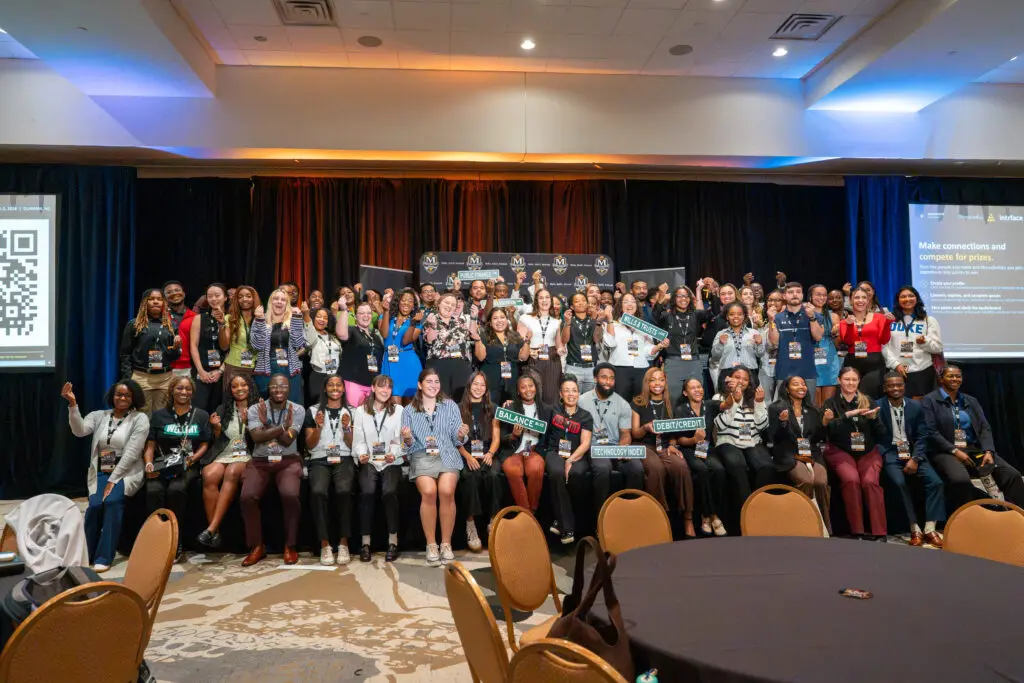
Over two days in Durham, I had the opportunity to meet students, young professionals and industry leaders from across the country. Many of us shared a connection through athletics, with a large portion of attendees having competed as student-athletes. That immediately created a sense of community, even among people pursuing completely different areas of the sports industry.
One of my biggest takeaways came from Jon Patricof, co-founder and CEO of the Athletes Unlimited Softball League (AUSL). He spoke about the importance of being specific to stand out, but what resonated with me most was his discussion of pattern recognition. Sometimes the greatest opportunities are the ones other people don’t see yet.
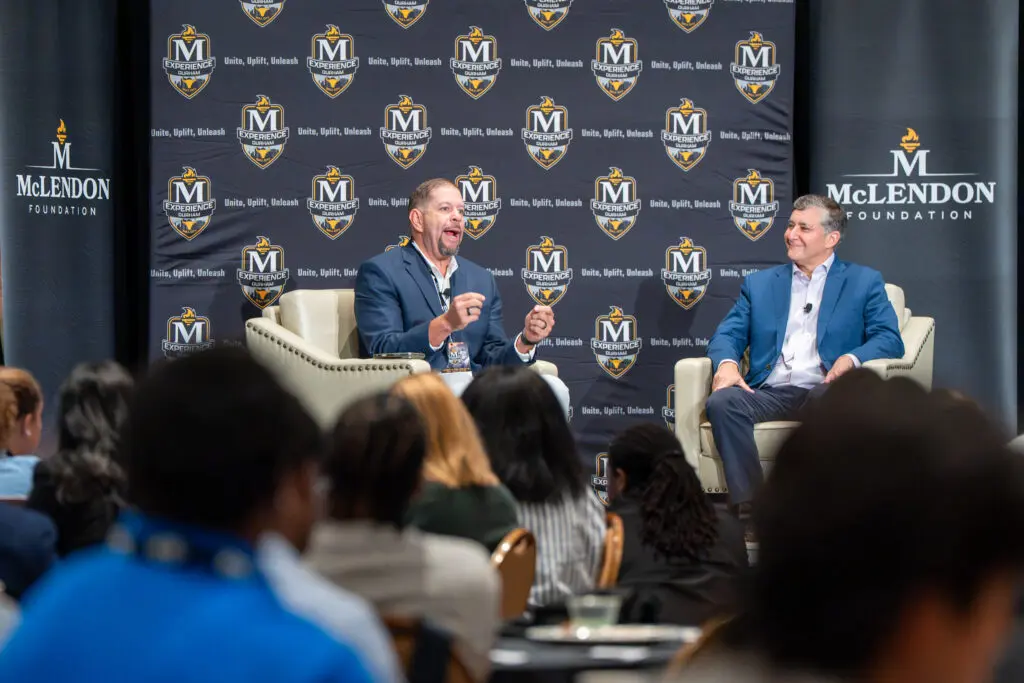
That idea especially stuck with me because of my own experience in women’s wrestling. I have watched the sport grow tremendously, even in the short time since I was deciding whether to wrestle in college. It made me think differently about emerging areas of sports: instead of seeing what does not exist as a limitation, there may be an opportunity to help create what comes next.
Other sessions gave me tools I could begin using immediately. Barbara Salami, co-founder and CEO of Kaindly, led a workshop on working smarter with artificial intelligence from day one. One analogy stuck with me: AI is the car, but you are the driver. It only goes where you steer it. Learning how to prompt AI effectively and use it intentionally reinforced that technology is most valuable when paired with human direction and creativity.
Britt Hunter, founder of Be the Exception Coaching, led another memorable session focused on pitching your message and communicating your capabilities. We worked on telling our stories through elevator pitches, asking better questions in interviews and identifying the experiences that make us different. It was a reminder that having experience is only part of the equation—you also have to be able to communicate what you learned from it and how it can provide value to someone else.
Some of the most useful lessons throughout the Experience were also the simplest: follow up, be specific, be prepared and continue building your network. These were not necessarily new concepts to me, but hearing how professionals across the industry put them into practice gave me a better idea of how I can do the same.
One idea that particularly stuck with me came from Durham Sports Commission Executive Director Marcus Manning. He shared a question that Kaila’Shea Menendez had was once asked him: “How can I actualize and make tangible the vision you have?” I already like asking employers about their goals and where they hope to take an organization, but this question takes that one step further. Instead of simply understanding someone’s vision, it challenges you to think about how your own skills, ideas and role can help move it forward. It is a question I want to carry into future interviews and opportunities, but also one I can apply right now by thinking about how I can contribute to the vision of the Durham Sports Commission throughout my internship.
Another line I wrote down during the Experience was, “Fear kills more dreams than failure ever will.” For me, that captured much of what the two days were about. Whether it is introducing yourself to someone you admire, pursuing an opportunity you are not completely sure you are ready for or bringing a new idea to the table, growth requires being willing to take that first step.
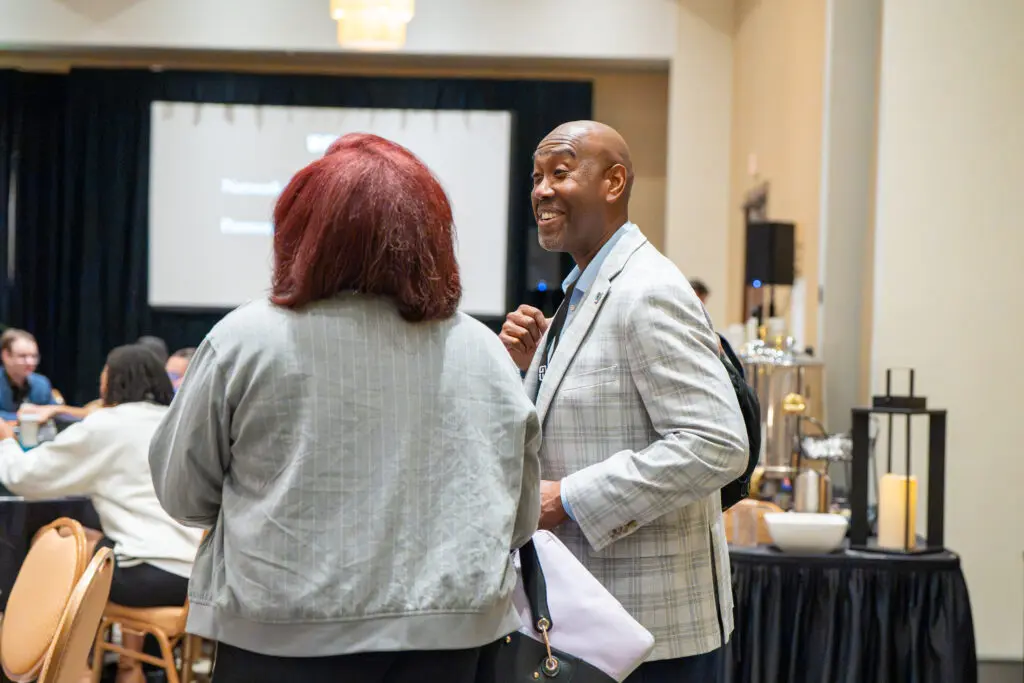
Beyond the speakers and workshops, some of my favorite parts of the Experience came from the people I met. I connected with peers from across the country and had meaningful conversations with industry leaders working across different areas of sports. The format of the event made those interactions feel natural. Larger speaker sessions were balanced with smaller workshops and more intimate conversations, giving us opportunities to explore our individual interests while also being exposed to areas of the sports industry we may have never considered.
The McLendon Foundation Experience was built around three words: Unite, Uplift and Unleash. Looking back on the two days, I think the Experience accomplished all three. It united people from across the country through a shared interest in sports, uplifted us through the knowledge and support of industry leaders, and gave us the tools and confidence to take what we learned into our own careers. Bringing an event like this to Durham creates an impact beyond the event itself. It brings new people and perspectives into our community while giving students and young professionals the opportunity to build relationships, develop practical skills and see more of what a career in sports can look like.
For me, these two days reinforced that I don’t need to have every step figured out yet. I need to keep learning, keep building relationships, recognize opportunities and be willing to pursue them when I see them.
And, most importantly, be willing to create them when they aren’t there yet.